ZimaOS
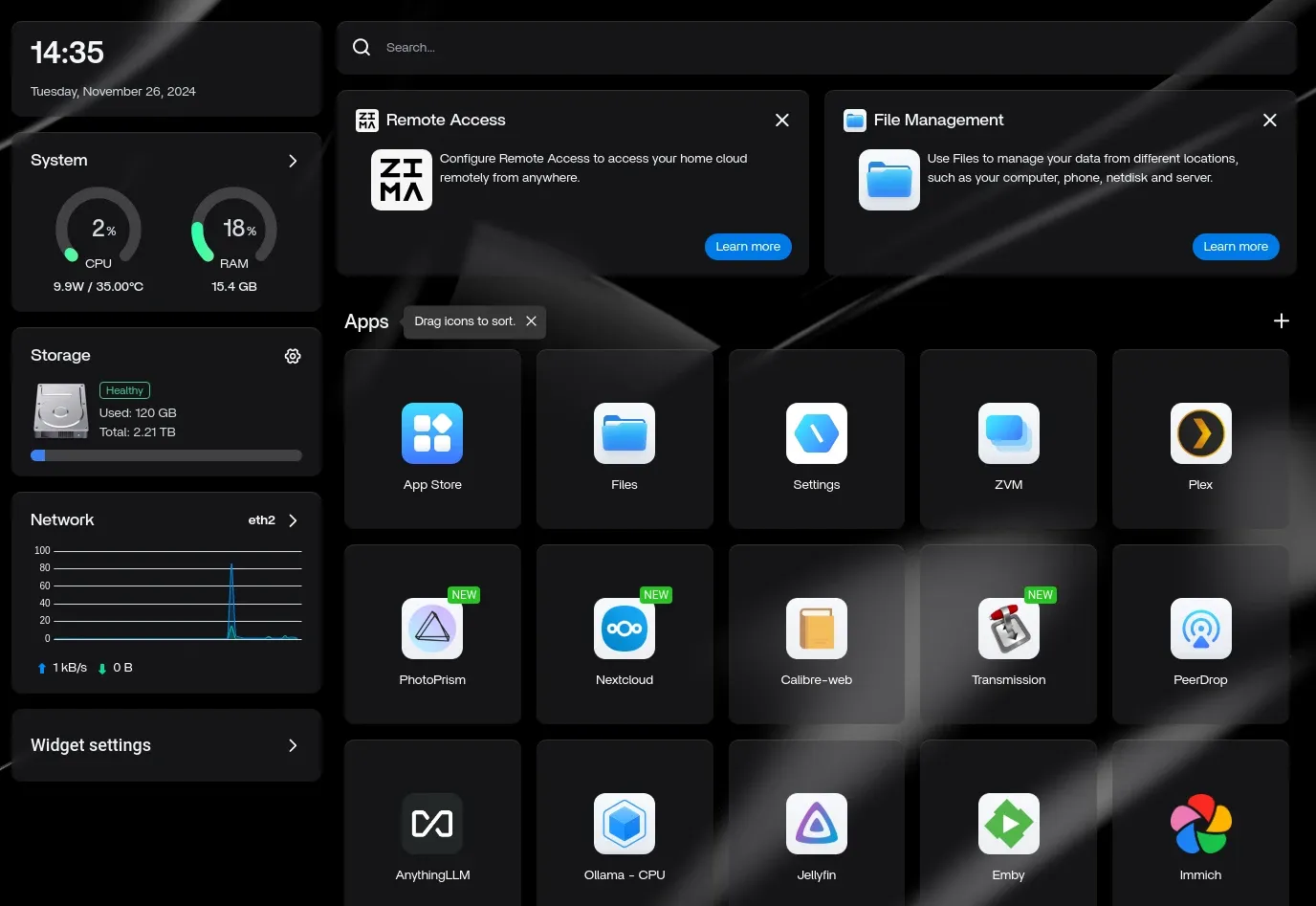
ZimaOS is a lightweight, self-hosted operating system built by IceWhaleTech (the team behind CasaOS) for personal cloud and home server use.
- Offers a modern, intuitive web UI for managing storage, apps, and devices.
- Includes features like AI-powered search, virtualization, RAID setup, and one-click app installs.
- Runs on ZimaBoard, ZimaCube, and generic x86-64 hardware.
https://github.com/IceWhaleTech/ZimaOS
Atuin Desktop
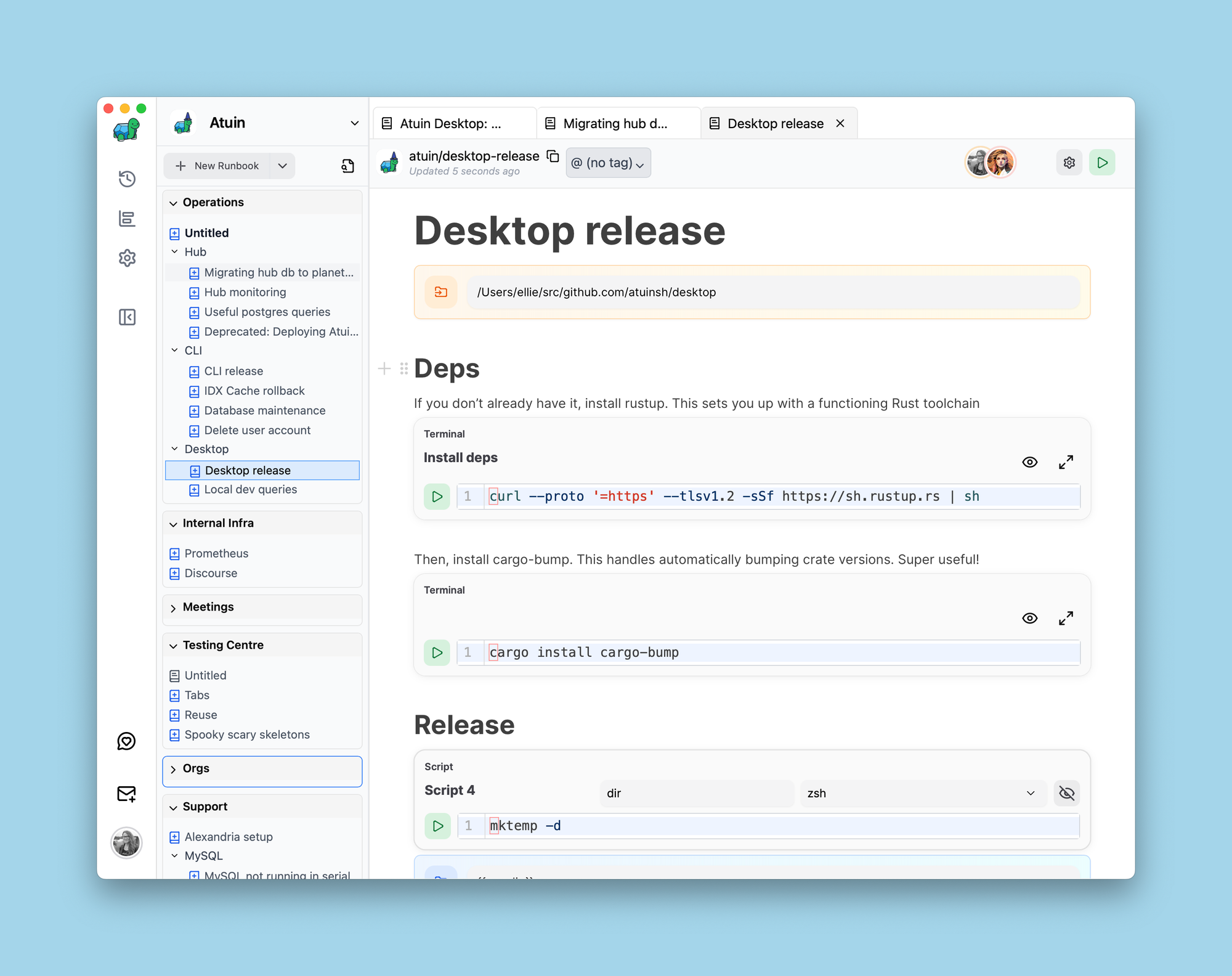
Atuin Desktop is a local-first, executable runbook editor that brings terminal workflows into a document-style interface.
- Enables you to write runbooks that chain together shell commands, database queries, HTTP requests—and execute them directly.
- Built around a terminal-first UI with autocomplete from your shell history and CRDT-powered offline collaboration.
- Suited for incident response, infrastructure runbooks, migration workflows and teams that need docs that run, not just sit stale.
https://github.com/atuinsh/desktop
Zed
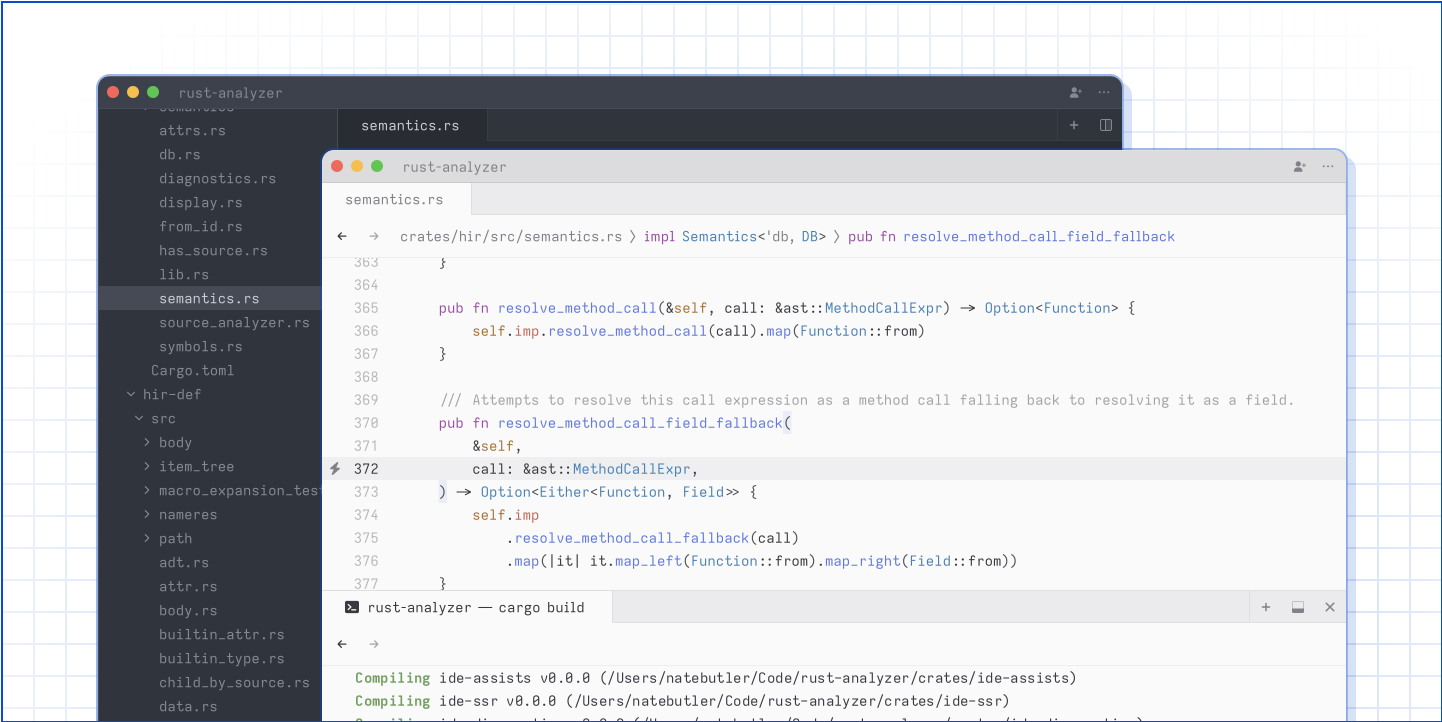
Zed is a high-performance, collaborative code editor built by the creators of Atom and Tree‑sitter.
- Designed for speed and modern workflows: native support for multiple cursors, real-time collaboration, and lightning-fast startup.
- Cross-platform (macOS, Windows, Linux) with deep integration of Rust for performance-critical components.
- Suitable for developers who want a top-tier editor for both solo and team work, built from next-gen foundations.
https://github.com/zed-industries/zed
Motia

Motia is a modern backend framework that unifies APIs, background jobs, events, and AI agents into a single cohesive runtime.
- Supports writing workflows (Steps) triggered by HTTP requests, events, cron jobs, etc., in JavaScript, TypeScript, Python, and more.
- Offers built-in observability and state management so you can trace workflows, inspect triggers, and monitor performance.
- Aims to replace fragmented stacks of API frameworks, job queues, and agent runtimes with one platform for production-scale backend development.
https://github.com/MotiaDev/motia
VibeSDK
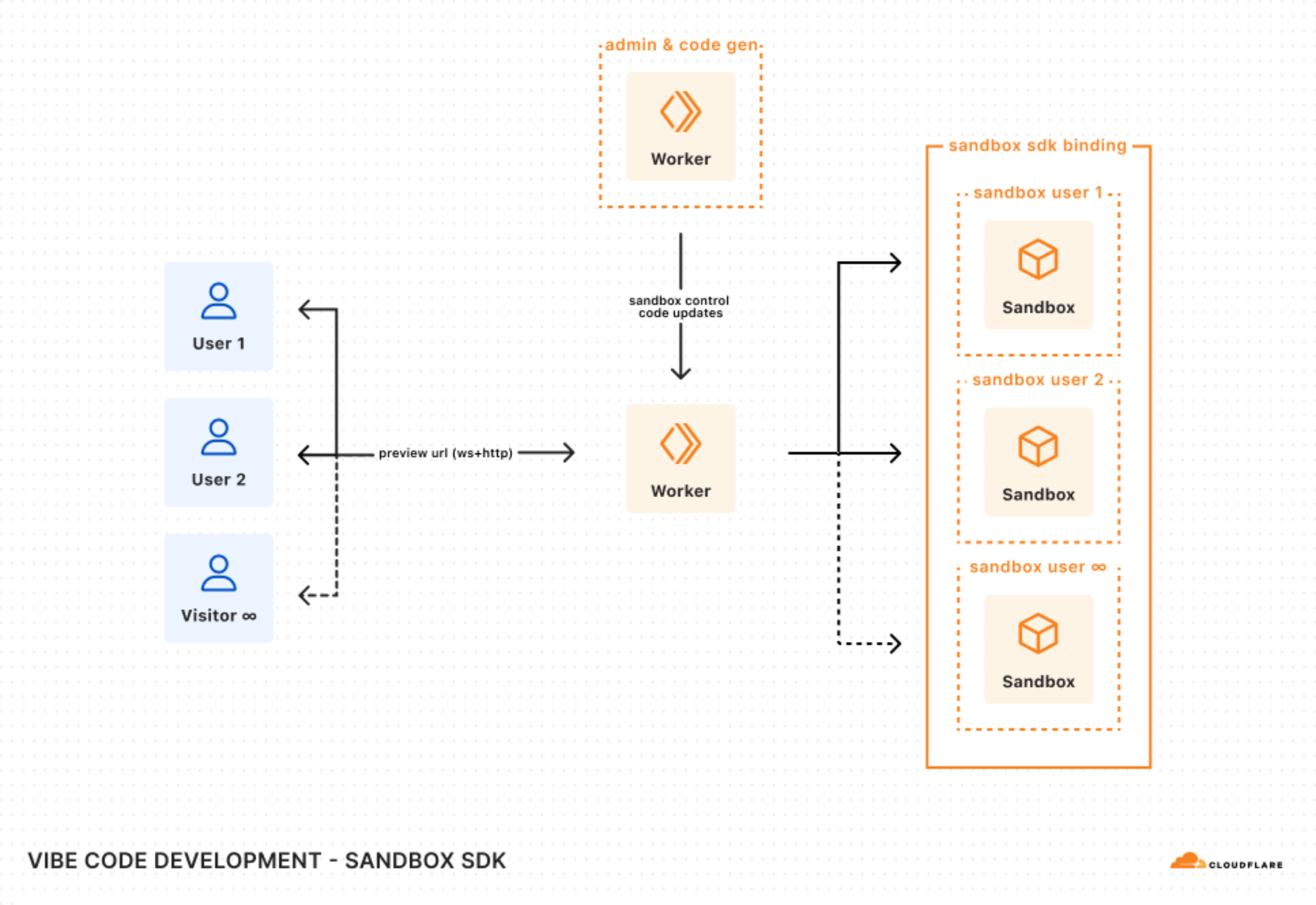
VibeSDK is an open-source platform by Cloudflare that lets you deploy your own AI-powered “vibe coding” platform—users describe what they want and it builds full apps automatically.
- It supports end-to-end workflows: natural-language descriptions → AI-generated code (React + TypeScript) → sandboxed live preview → production deployment.
- Built on Cloudflare’s stack: Workers, Durable Objects, D1 database, AI Gateway, isolated containers/sandboxes.
- Designed for scale and safety: multi-tenant app hosting, resource isolation, logs & cost observability, support for multiple LLM providers.
https://github.com/cloudflare/vibesdk
Glide
Glide is a modern, tab-first web browser focusing on speed, minimalism and privacy.
- Built with a sleek UI and native performance, it supports advanced features like tab tiling, workspaces and built-in ad/block tools.
- Targeted at power users who want a streamlined alternative to mainstream browsers.
https://github.com/glide-browser/glide
Context7
Context7 is a tool by Upstash that supplies up-to-date, version-specific code documentation and examples to large-language-model (LLM)-powered coding assistants.
- Integrates with Model Context Protocol (MCP) clients like Cursor, enabling prompts such as “use context7” to inject live docs.
- Helps prevent hallucinated APIs and outdated code by pulling snippets directly from source documentation.
- Distributed under MIT license and open-source on GitHub.
https://github.com/upstash/context7
massCode
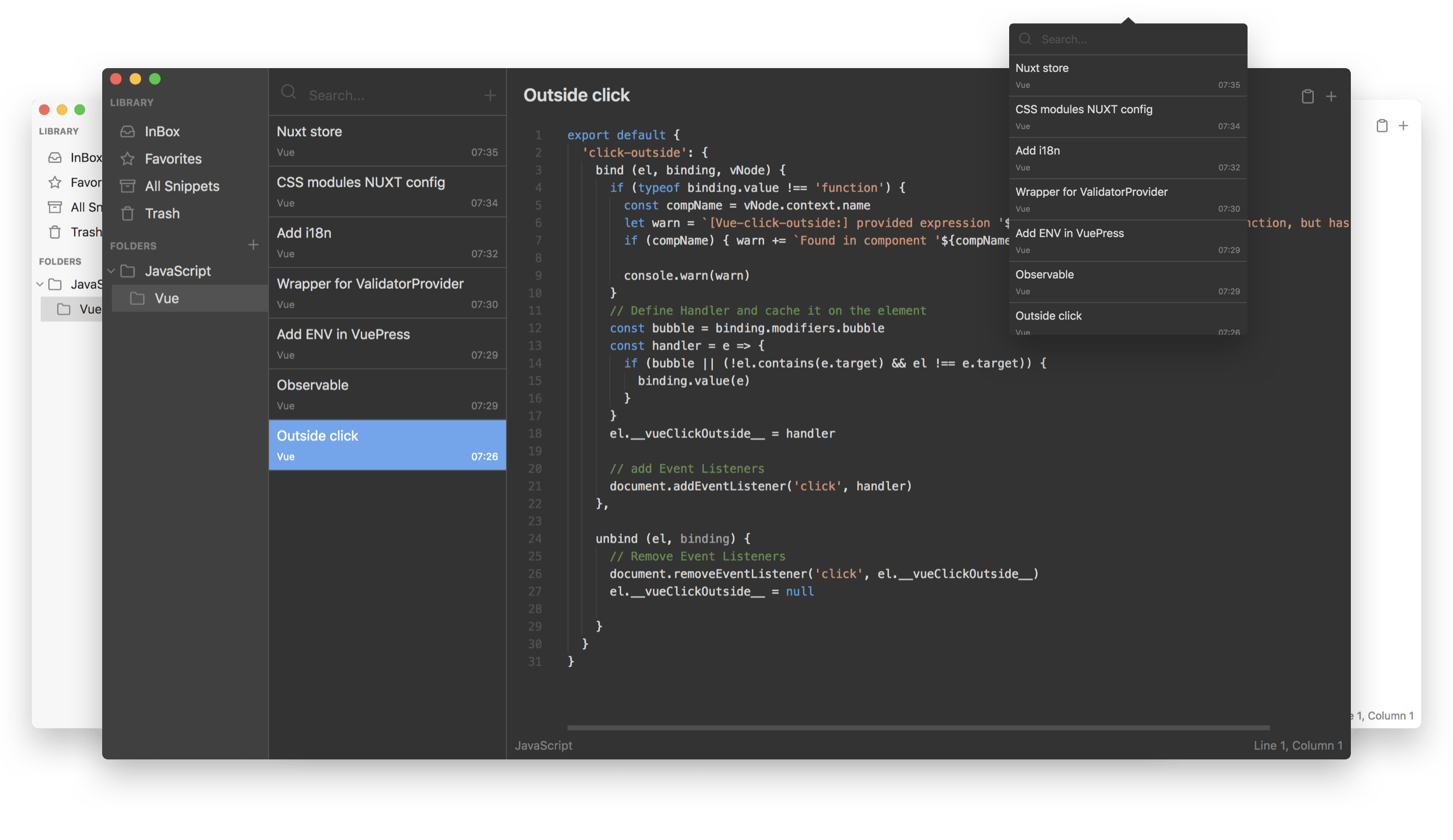
massCode is a free and open-source code snippet manager built for developers.
- Organize your code with multi-level folders, tags, and tabs (“fragments”) for granular control.
- Supports 160+ syntaxes for highlighting, real-time HTML/CSS preview, Markdown + Mermaid for diagrams, and even presentation mode.
- Integrates with cloud sync services (iCloud Drive, Google Drive, Dropbox) and offers extensions for VS Code, Raycast, and Alfred.
https://github.com/massCodeIO/massCode
Cubyz
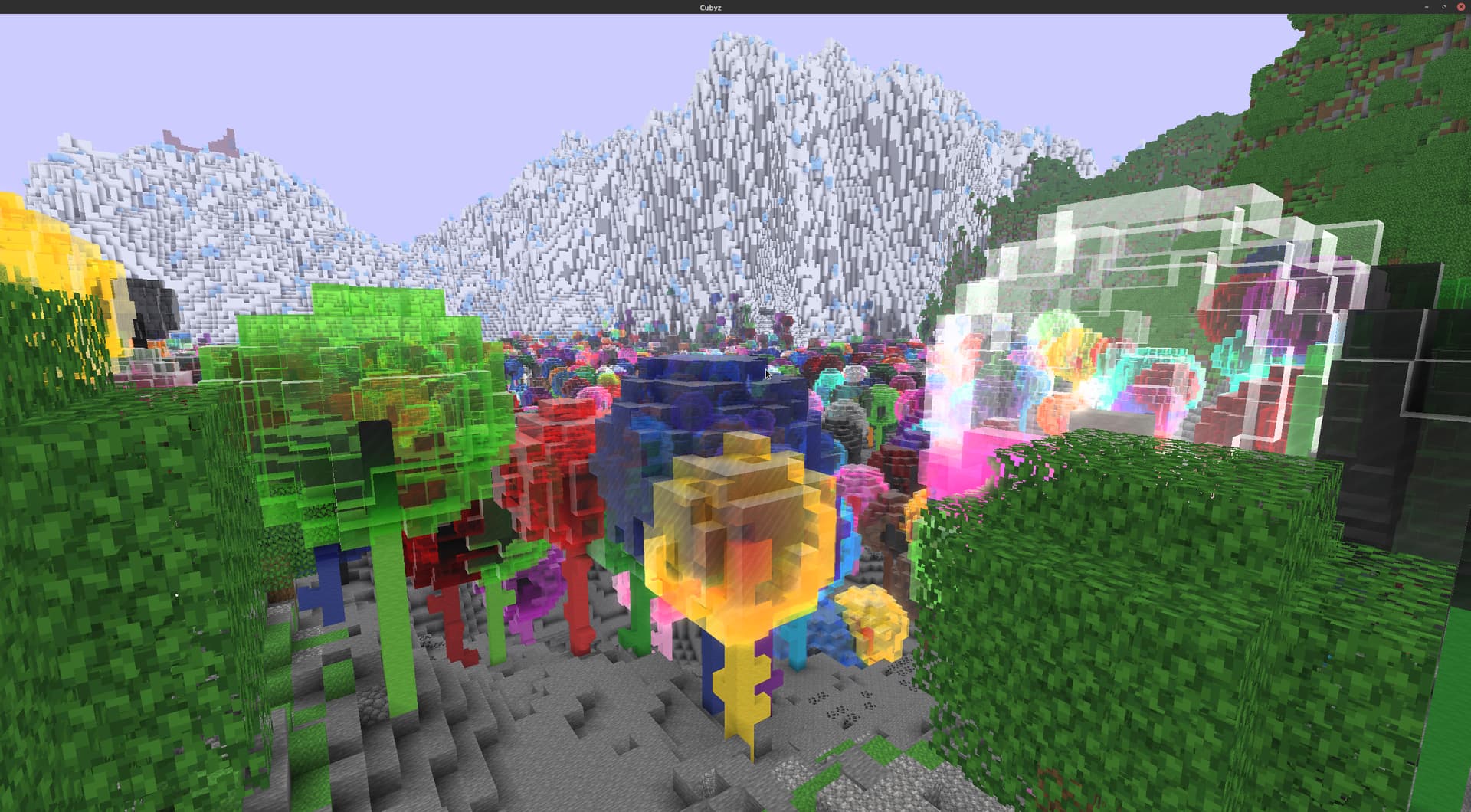
Cubyz is a 3D voxel sandbox game by PixelGuys that emphasises wide-open worlds, deep procedural generation, and built-from-scratch engine work.
- Features include 3D chunks with no height or depth limit, and Level of Detail rendering for extremely far draw distances.
- Originally written in Java, the project has been ported to the Zig programming language for improved performance and modern tooling.
- Licensed under GPL-3.0 and targeted at Windows and Linux platforms (macOS currently unsupported due to OpenGL 4.3 requirement).
https://github.com/PixelGuys/Cubyz
Clone-Wars
Clone-Wars is a curated list of 100+ open-source clones and alternatives of popular websites (like Airbnb, Amazon, Instagram, Netflix, TikTok, Spotify, WhatsApp, YouTube).
- Includes source code links, demo sites, tech stacks, and GitHub star/fork stats.
- Intended for learning by studying full-stack examples of real-world site patterns and architectures.
- Licensed under AGPL-3.0 and actively maintained as a community resource.
https://github.com/GorvGoyl/Clone-Wars
Nitro
Nitro is a server toolkit designed for modern web apps—especially those using Vite—and enables you to build production-ready backends with minimal configuration.
- Supports filesystem routing, multi-driver storage, and cache APIs, all optimized to “run anywhere” (edge, serverless, traditional).
- Offers a zero-config development experience with hot module replacement in dev and small output size for production.
- Works seamlessly with TypeScript, supports legacy Node.js modules, and is optimized for deployment across many platforms.
https://github.com/nitrojs/nitro
EverShop
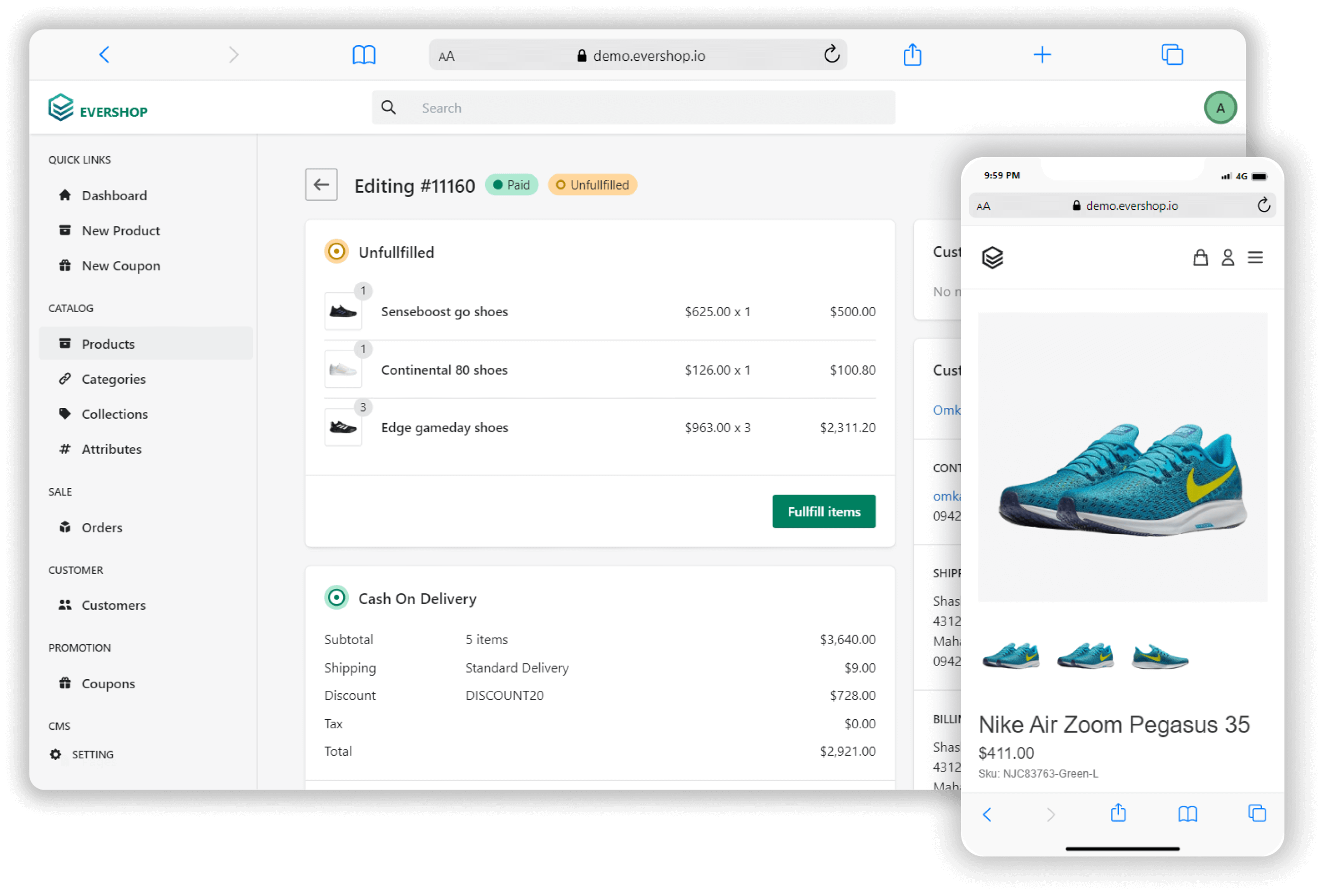
EverShop is an open-source, TypeScript-first eCommerce platform built with React and GraphQL.
- Designed for developers: modular architecture with extensible front-store, admin panel, themes, and extensions.
- Built on Node.js, PostgreSQL, and GraphQL; supports Docker for quick spin-up.
- Released under the GPL-3.0 license.
https://github.com/evershopcommerce/evershop
DeepSeek-OCR
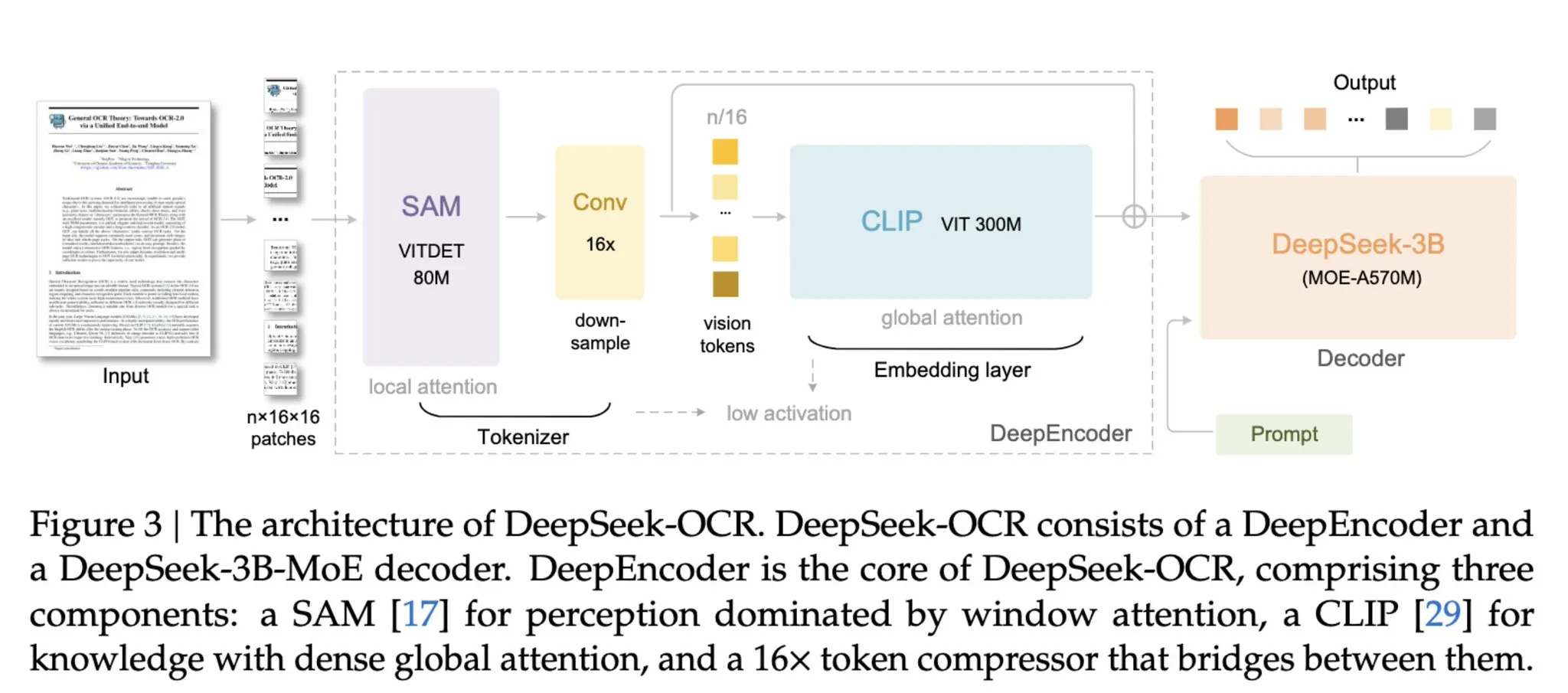
DeepSeek-OCR is an open-source OCR model from DeepSeek‑AI aimed at compressing large visual text contexts into compact vision-tokens for efficient processing by language models.
- Achieves high compression ratios (≈10× fewer tokens) while maintaining near-state-of-the-art accuracy (~97%) in decoding.
- Supports image and PDF inputs, provides inference with Hugging Face & PyTorch, and requires typical GPU setups for best performance.
- Ideal for large-scale document parsing, long-context workflows, and bridging vision-language workflows.
https://github.com/deepseek-ai/DeepSeek-OCR
Yaak
Yaak is an offline-first, desktop API client built with Rust, Tauri and React, designed to streamline API work for REST, GraphQL, WebSocket, gRPC and SSE.
- Supports a wide range of protocols and imports: REST, GraphQL, WebSocket, Server-Sent Events, gRPC, including import from Postman, Insomnia, OpenAPI/Swagger.
- Focuses on privacy and performance: local-data only, encrypted secrets, no telemetry, offline-capable, Git-friendly for versioning workspaces.
- Available cross-platform (macOS, Windows, Linux) and open-source under the MIT license.
https://github.com/mountain-loop/yaak
Skills (by Anthropic)
Skills is a public repository by Anthropic that houses example “skills” — self-contained folders with instructions and scripts that enhance what Claude can do in repeatable, specialized workflows.
- Each skill includes a
SKILL.mdfile with metadata and instructions; some include executable code for more advanced automation. - Examples span creative work (generative art, GIFs), development tools (automated tests, UI artifacts), and enterprise workflows (brand docs, internal comms).
- Skills integrate with Claude across multiple contexts: web app, API, and Claude Code; you can also build and customize your own skills for your org.
https://github.com/anthropics/skills
OpenMemory
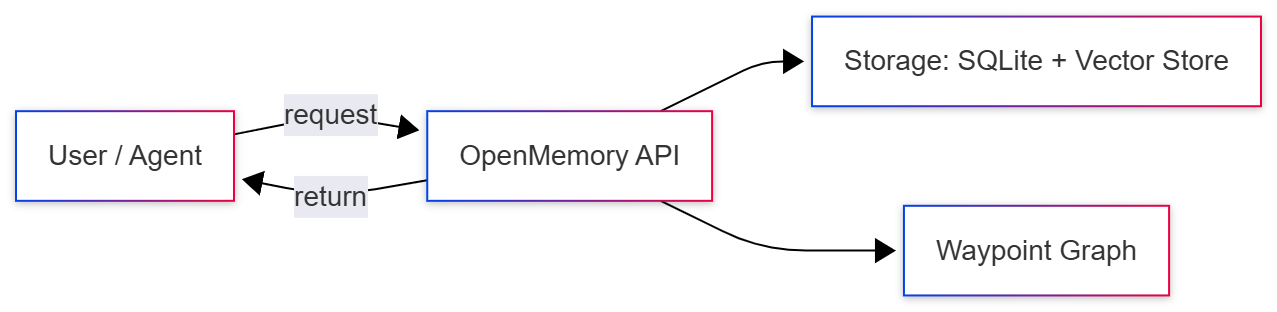
OpenMemory is a self-hosted, open-source memory engine designed to give AI agents long-term, structured memory.
- Uses a Hierarchical Memory Decomposition (HMD) architecture with multi-sector embeddings (episodic, semantic, procedural, emotional, reflective) and a lightweight graph for linking memories.
- Supports self-hosting via SQLite/PostgreSQL + optional vector stores; compatible with OpenAI, Gemini, Ollama embeddings.
- Focused on explainability, data ownership, low latency and lower cost compared to SaaS memory layers.
https://github.com/CaviraOSS/OpenMemory
SO-ARM100

SO-ARM100 is an open-source robotic arm project from TheRobotStudio (in collaboration with Hugging Face) designed for DIY build and educational AI-robotics integration.
- Complete hardware design: includes 3D-printable parts, servo motor specs (STS3215 series), and full assembly instructions for both a “leader” and “follower” arm.
- Designed to integrate with the open-source LeRobot framework for imitation learning and robotics workflows, enabling the follower arm to learn from the leader.
- Under Apache 2.0 license and targeted at makers, researchers, and hobbyists looking to explore robotics with AI training and datasets.
https://github.com/TheRobotStudio/SO-ARM100
OpenStock

OpenStock is an open-source, subscription-free stock market platform built by Open Dev Society, designed to provide real-time market tracking, personalized alerts, and company insights for everyone.
- Built using Next.js 15, TypeScript, Tailwind CSS v4, and shadcn/ui + Radix UI, delivering a polished modern front-end.
- Includes features like watchlists, candlestick charts (via TradingView widgets), heatmaps, company profiles, and newsletter automation using AI workflows.
- Authenticated via Better Auth with MongoDB backend; data pulls from Finnhub API for symbols and news.
- Licensed under AGPL-3.0, meaning any public deployment must release its source code.